
Amazon Pay: The Dark Horse Powering India’s Credit Card Game
Indians have completely changed the way they use credit cards. What was once a simple swipe and earn routine has evolved into a sophisticated game of reward arbitrage, where savvy users treat credit card ecosystems like high-yield financial tools.
At the center of this shift sits an unexpected hero: Amazon Pay.
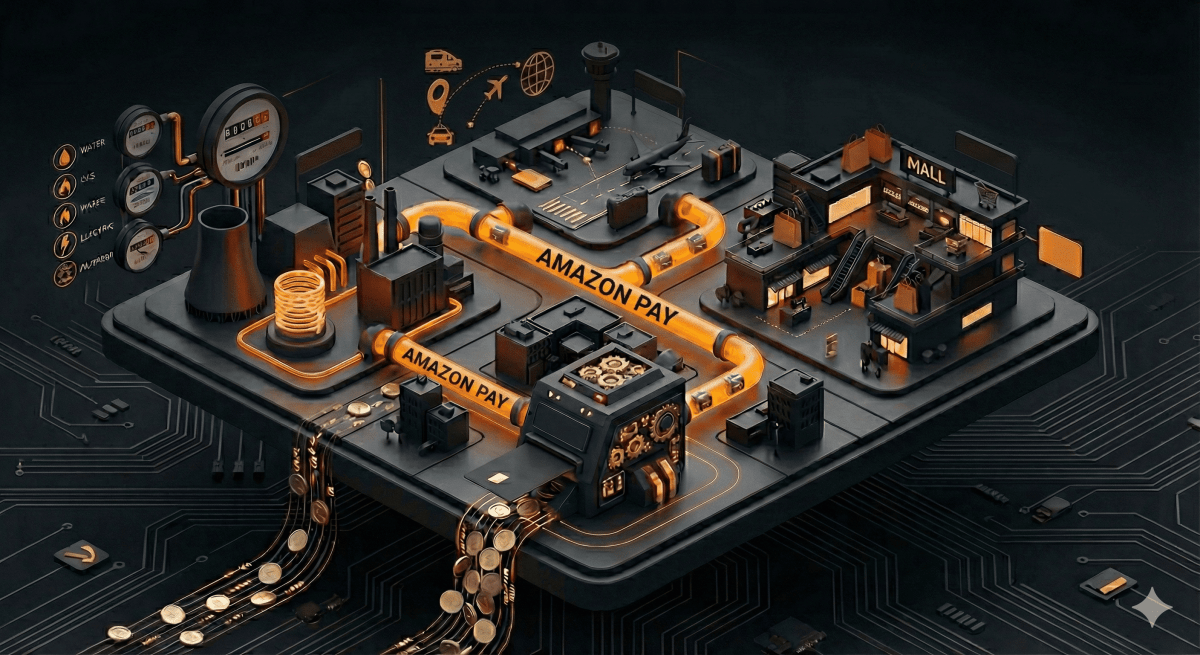
What began as a basic checkout option has grown into something close to a universal digital currency in India. You can use it for utilities, insurance, food delivery, cabs, taxes, travel bookings, fuel payments, and even municipal fees. When this broad acceptance meets multiplier platforms like HDFC SmartBuy, Amex Reward Multiplier, ICICI iShop or Gyftr, and new players like Maximize, SaveSage, and Magniify, Amazon Pay turns from a wallet into a powerful rewards engine.
Understanding the Wallet: Gift Balance vs PPI Wallet
Amazon Pay maintains two internal ledgers. One is ordinary and restrictive. The other is the real powerhouse.
1. PPI Wallet (KYC Wallet)
- Funded through UPI or debit cards
- Withdrawable to a bank account if you have full KYC
- No rewards on credit card loads
- Heavy limitations and monitoring
Useful but not exciting.
2. Gift and Credits Balance (The Real Engine)
This is where the magic happens. When you buy an Amazon Pay Gift Card and redeem it, the value lands here.
Important points:
- Cannot be transferred out
- Cannot be sent to other users
- Must be consumed on Amazon or partner merchants
- Acceptance is so wide that it behaves almost like cash
This is why enthusiasts love it.
Bank credit becomes Amazon credit, which becomes real household savings.
How Amazon Pay Became the Reserve Currency of Reward Arbitrage
Amazon Pay is no longer just a payment option. It is now the reserve currency of India’s rewards ecosystem.
Users buy Amazon Pay Gift Cards through multiplier platforms that often offer 3X, 5X, or even 10X rewards. This means every rupee routed through Amazon Pay earns more than direct spending ever could.
The balance can then be used for electricity bills, insurance premiums, property tax, broadband, gas, fuel, Uber, Swiggy, Zomato, IRCTC bookings, and household essentials.
Monthly expenses that normally earn 0 percent rewards suddenly generate effective returns of 5 to 12 percent.
That is not just a payment method. It is a financial instrument.
The Multiplier Ecosystem: The Real Heroes
A smart Amazon Pay strategy rests on a small group of platforms that quietly multiply your rewards. SmartBuy drives HDFC cards to their maximum potential, Amex Reward Multiplier helps unlock milestone bonuses, InterMiles turns voucher purchases into useful miles, and ICICI’s iShop offers strong reward value, often reaching nearly 15 percent on Amazon Pay rewards even though it is not always glitch free. Even simple cashback cards find a place in this mix. SBI Cashback officially excludes gift cards, yet purchases made through portals like CRED, which route payments through Dreamplug, sometimes slip through with normal MCC coding and still award the 5 percent. Together, these tools form the behind-the-scenes machinery that makes Amazon Pay such a powerful part of the rewards game in 2025.
New Players: Maximize, SaveSage, Magnify
These platforms cleverly close the loop:
- Earn points by buying Amazon Pay Gift Cards through multiplier portals.
- Recycle value by using Amazon Pay to buy more vouchers.
- Spend these vouchers on bills, groceries, cabs, and more.
This loop creates ongoing savings.
Banks dislike it.
Enthusiasts swear by it.
The Human Side: Why This Matters
This is not a story about loopholes or hacks. It is a story about reducing the cost of living. An average Indian household spends between 20,000 and 60,000 rupees every month on essentials. Most of these spend earn zero rewards. If even half of this flows through a smart Amazon Pay strategy, you can realistically save:
1,000 rupees per month
12,000 rupees per year
These savings become:
- A family dinner
- A weekend getaway
- A birthday gift
- A flight upgrade
- Less financial stress
You are not spending more. You are spending smarter.
But Every Good Story Has Conflict
Banks adapted quickly. Regulators stepped in. Fees appeared. Limits and caps arrived. AI systems began tracking unusual spending patterns.
Users adapted too. Many began spreading their purchases across add-on cards or issuing cards to family members, since caps often apply per card instead of per household. This allowed them to stay within the rules and still preserve their reward flow.
The golden era of zero-fee arbitrage is over. The opportunity is still alive, but it now rewards discipline instead of experimentation.
The winners today are not the ones who find tricks. They are the ones who execute with consistency and control.
Where Amazon Pay Goes From Here
In 2025, Amazon Pay remains the quiet center of India’s reward ecosystem. It never claims credit, yet it drives the system forward. It fuels HDFC’s biggest wins. It accelerates Amex milestones. It keeps ICICI in the race. It gives InterMiles a new purpose. It supports the rising wave of voucher platforms. And above all, it meaningfully lowers everyday household costs. It may not look like the hero of the story, but it is the one running the show. Those who recognize this are already ahead, and the real curiosity now is how Amazon Pay will adapt and influence the reward game as 2026 arrives.